All Categories
Featured
Table of Contents
Relocating to the cloud isn't enoughreal worth comes from rearchitecting apps and welcoming cloud-native innovations to improve efficiency, dexterity, and development. With flexible scalability, much faster deployments, and on-demand provisioning, cloud empowers companies to respond rapidly to market shifts and customer demands. Cloud improvement eliminates upfront facilities investments, minimizes maintenance costs, and enables pay-as-you-go flexibilitymaximizing ROI.
AI-driven cloud services help automate workflows, obtain real-time insights, and drive personalizationunlocking brand-new growth and functional efficiencies. Organizations are increasingly leveraging both multi-cloud and hybrid cloud methods to ensure flexibility, reduce vendor lock-in, and improve resilience. From IT abilities development to stakeholder alignment, successful cloud efforts hinge on internal education, change management, and management buy-in.

Leaders throughout industries have actually scaled internationally, innovated quicker, and enhanced client experience through strategic cloud improvement. With automated data discovery, category, gain access to control, and removal across hybrid and multi-cloud environmentsBigID makes it possible for safe and secure, scalable cloud adoption. In today's rapidly developing digital landscape, services are constantly challenged to adapt, innovate, and stay ahead of the curve.
How Cloud-Native Design Flattens the AI Learning CurveTop Strategies for Transformative Cloud Systems
In this comprehensive blog site, we start a journey to explore the transformative power of cloud transformation, diving into its definition, methods, benefits, and far more. Join us as we break down the complexities of cloud computing and discover how it can drive your organization towards success. Before diving into the complexities of cloud change, let's very first understand what it requires.
It involves leveraging cloud computing technologies to improve dexterity, scalability, and performance, eventually enabling companies to adapt to altering service needs and drive development. Cloud improvement is necessary due to the fact that it permits organizations to enhance their IT infrastructure and operations, leading to improved agility, scalability, and cost efficiency. By migrating their IT systems and applications to the cloud, business can free themselves from the restrictions of conventional on-premises hardware and software application, and benefit from the benefits offered by cloud computing.
This enables them to quickly react to changes in market conditions or consumer needs, and to benefit from new chances quicker. Additionally, cloud change can help organizations to improve their IT operations and minimize expenses. By contracting out the management of their IT facilities and applications to cloud suppliers, companies can benefit from economies of scale and minimize the concern of managing their own IT resources.
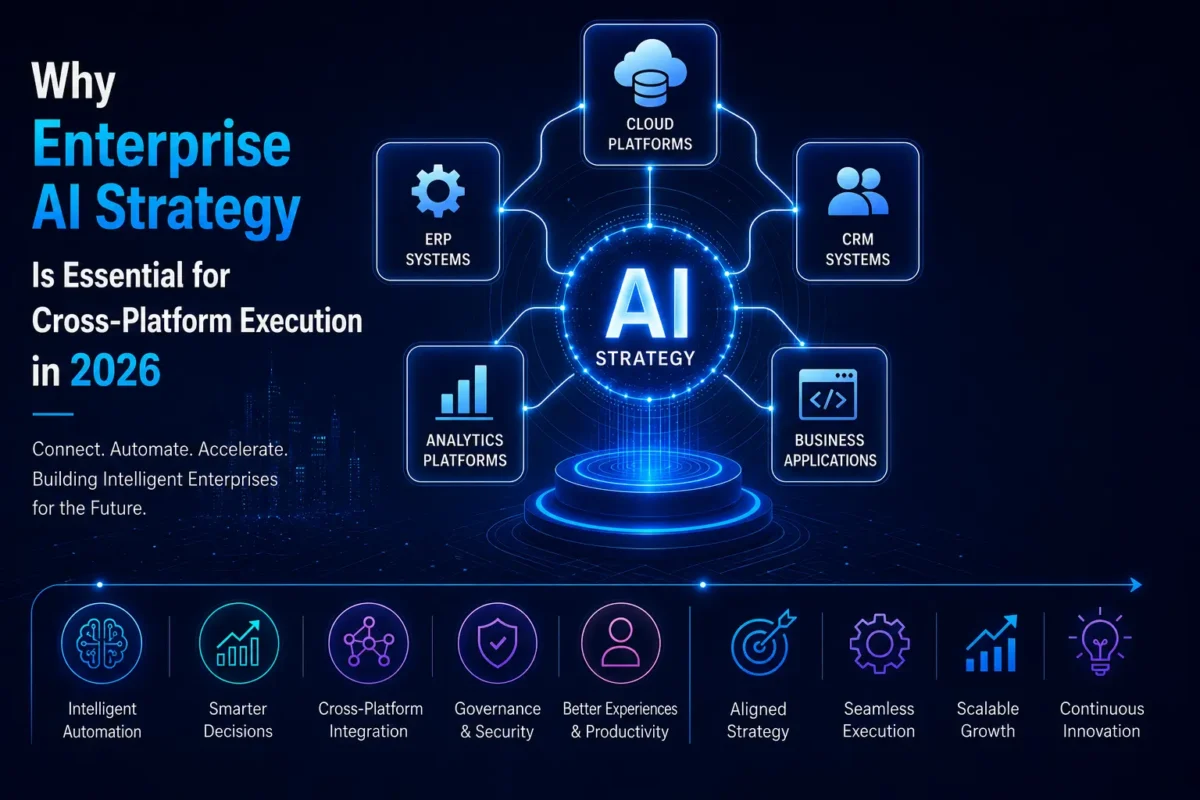
Is Your Business Ready for 2026?
Cloud transformation empowers companies to quickly scale resources up or down based on need, allowing them to react quickly to market changes and customer needs. This dexterity permits organizations to seize brand-new chances, launch products much faster, and remain ahead of the competition. By moving IT facilities and work to the cloud, organizations can enhance costs by removing the need for expensive hardware financial investments, reducing upkeep expenditures, and paying only for the resources they take in.
Cloud computing assists in seamless partnership and development by offering a central platform for teams to access, share, and collaborate on projects in real-time. With cloud-based tools and applications, companies can foster creativity, drive efficiency, and speed up time-to-market for brand-new ideas and initiatives. Contrary to common misconceptions, cloud computing provides robust security functions and compliance structures that assist organizations protect delicate information, mitigate threats, and guarantee regulative compliance.
Download the Quickstart Guide to Speed Up Cloud Migrations. While cloud migration and cloud transformation are often used interchangeably, they describe distinct processes with different goals. Cloud migration includes moving existing applications and workloads from on-premises facilities to the cloud without essentially modifying their architecture or performance. On the other hand, cloud improvement goes beyond migration by rearchitecting applications, embracing cloud-native innovations, and welcoming new ways of working to totally utilize the advantages of the cloud.
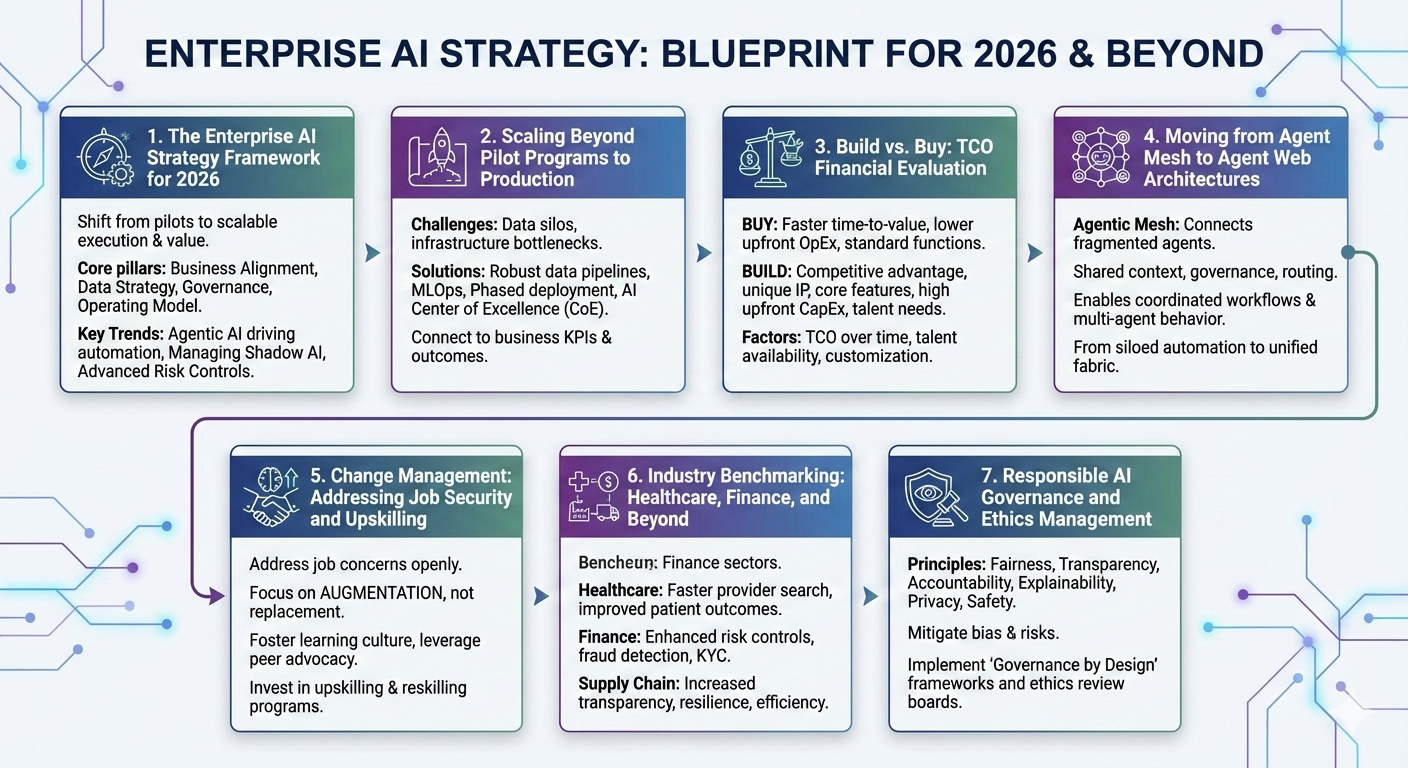
Driving Modernization With AI-First Digital Strategies
Multi-cloud describes making use of several cloud suppliers to host different workloads and applications, offering versatility, redundancy, and vendor variety. Hybrid cloud, on the other hand, combines on-premises infrastructure with public and personal cloud resources to produce an unified, incorporated environment. Both models play a crucial role in cloud change by providing companies with the agility, scalability, and resilience needed to fulfill evolving company requirements.
Organizations can conquer this difficulty by performing a thorough assessment of their legacy systems, identifying dependences, and prioritizing applications for migration or modernization. They can take advantage of tools and frameworks for automatic migration, refactor tradition applications for cloud compatibility, or embrace hybrid cloud architectures to gradually transition crucial workloads. Information security and compliance are major issues when moving delicate information to the cloud, particularly in highly regulated markets.
, through routine audits, danger evaluations, and compliance monitoring. Cloud migration and change can lead to unpredictable expenses, resource waste, and budget overruns if not handled effectively. Organizations can reduce expense management obstacles by carrying out cloud cost management tools, such as cloud expense calculators, monitoring dashboards, and budgeting tools.

Latest Posts
Next-Gen Cloud Solutions for Scalable Innovation
Optimizing ROI Via Cloud-First AI Workflows
Is Your Company Ready for 2026?