All Categories
Featured

How to Develop a Modern AI Integration Roadmap
Table of Contents
Let's clarify with an example from customer care: Expect a business moves from phone-based assistance to email or introduces a chatbot for after-hours queries. These are: utilizing technology to improve an existing process. On the other hand,. Imagine that very same company adopting a fully automated, AI-powered assistance system. This brand-new system provides 24/7 customized service across channels like chat, e-mail, and mobile apps.
Digital change basically changes the nature of support, making it more innovative, individual, and constantly readily available. That's digital transformation: a basic shift in how value is delivered through innovation. The plan for digital improvement varies extensively depending upon a business's size, industry, and objectives. With emerging technologies and moving consumer expectations, there's no set formula.
Most digital transformation efforts concentrate on these crucial locations: Automated workflows change manual processes, decreasing errors, increasing efficiency, and making it possible for employees to focus on higher-value jobs. Continually reassessing how worth is delivered by streamlining digital journeys, speeding up support, and personalizing experiences across all channels. Tradition systems typically sluggish progress.
Key Benefits of Enterprise Modernization in the Future
Real-time data and analytics provide insights into efficiency and customer habits, allowing smarter, faster decisions. Unifying platforms and processes break down departmental silos, improves collaboration, and gives management a thorough view of operations. As connectivity increases, so do threats. Strengthening security, securing information privacy, and conference regulatory requirements are vital to minimizing disruptions.
According to Harvard Company Review, successful digital improvement tends to include 5 interconnected components:: Getting the right management, culture, and talent in place.: Collecting clean, high-quality information across systems.: Turning that data into functional insights through analytics.: Operationalizing insights across workflows, systems, and decisions.: Measuring outcomes and refining techniques based on performance.
Other reputable frameworks, like McKinsey's 7S model or BCG's Digital Acceleration Index, also highlight the value of lining up technique, structure, and people to drive significant improvement. The specific structure matters less than guaranteeing all components of the business are aligned and developing together. The 5 main components of digital change consist of people, information, insights, action and results.
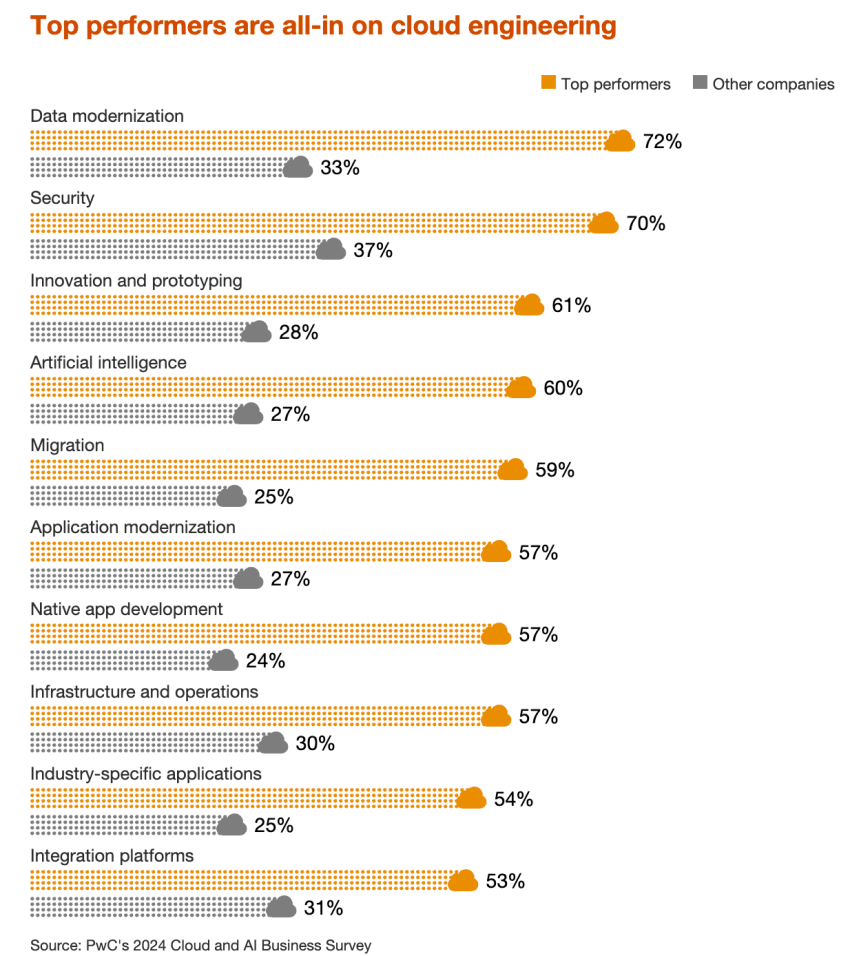
Transformative Cloud Solutions for Scalable Growth
Here are some particular real-world advantages can you anticipate: Leveraging the current technologies permits you to rethink your whole organization model. Early adoption or pioneering brand-new tools can assist you approach difficulties in distinct methods, grow market share, and remain ahead while competitors are still catching up. Digital transformation enables you to boost the client journey from start to end up.
Solving the Legacy Integration Puzzle in Australian FinancingAutomating manual tasks streamlines workflows, reduces errors, and releases workers to focus on higher-value work. These efficiencies cause cost savings through much better resource allowance, less traffic jams, and, in some cases, minimized staffing requirements. Real-time information and integrated systems offer groups with enhanced visibility, allowing your company to respond and adapt rapidly to market modifications, customer demands, or internal difficulties.
Embracing cutting-edge innovation is costly, especially when developing brand-new options. Beyond the innovation itself, training, recruitment, and unforeseen downtime can add to expenses.
Without buy-in from management and staff, digital change is most likely to stop working. Rolling out digital improvement at one time is hardly practical: the scope is too broad and the threat is expensive. But rolling out brand-new systems gradually can result in integration issues with existing legacy facilities, causing information silos, traffic jams, and disappointment for workers and consumers.

Strengthening security steps is important to resolve operational threats and satisfy compliance requirements. There's no single blueprint for digital transformation. Every company deals with different challenges, concerns, and opportunities. However successful techniques do share some typical qualities: they're grounded in service goals, versatile enough to evolve with emerging tech, and customized to an organization's people, processes, and industry.
The Intersection of Ethical AI and Cloud-Native FacilitiesUpgrading the IT Infrastructure for a Digital Shift
Start by determining the crucial results you want to attain. Are you attempting to lower costs, grow profits, enhance consumer experience, or construct more resistant infrastructure!.?.!? The most effective methods are designed backward from desired outcomes to the innovations and procedures that can deliver them. Your technique might include a number of focus areas depending upon what you're trying to achieve:: Streamline processes utilizing automation, cloud migration, and AI-based optimization to minimize costs and boost speed.
: Present brand-new products, services, or shipment models (like digital memberships, marketplaces, or self-service platforms) to produce brand-new profits streams.: Gear up workers with digital tools, make it possible for remote cooperation, and buy upskilling to support improvement from within.: Reinforce cybersecurity, improve compliance, and style systems that are more versatile and fault-tolerant.

Latest Posts
Next-Gen Cloud Solutions for Scalable Innovation

Optimizing ROI Via Cloud-First AI Workflows

Is Your Company Ready for 2026?