All Categories
Featured

How Transformative Cloud Solutions Accelerate Modern Growth
Table of Contents
Understanding the key tools offered is necessary for an effective application modernization journey. Cloud platforms such as AWS, Azure, and Google Cloud are essential in modernizing enterprise applications by using scalability, versatility, and a series of services that streamline operations. These platforms support contemporary architectures like microservices and serverless computing, allowing business to.
These tools offer, making them a favored choice for enterprises wanting to update their applications while maintaining agility. Architectural observability tools, such as vFunction, are vital for modernizing tradition business applications by supplying exposure into their complex structures and reliances. As these systems age, they become harder to handle and upgrade without danger.
This helps groups move quick to prioritize which components to modularize and update. Learn more, see: Monoliths to Microservices DevOps practices and tools, such as Jenkins, GitLab, and Ansible, facilitate constant combination and continuous deployment (CI/CD), which is important for accelerating modernization. By automating implementation pipelines and improving collaboration between advancement and operations teams, DevOps tools help make sure quicker, more reliable software shipment.
AI-driven functions, such as, include considerable worth, permitting enterprises to enhance operations and provide tailored consumer experiences. Selecting the best combination of these tools is vital to the success of your business application modernization efforts, guaranteeing that your tradition applications are not only updated however likewise enhanced for future growth and innovation.
Legacy systems frequently include outdated innovations and architectures, making them tough to understand and update. Typical pitfalls throughout migration consist of mismatched information formats and incomplete data transfers, which can be prevented with careful preparation and testing. Modernization projects typically involve multiple stakeholders with varying top priorities and objectives.
Effective interaction and collective decision-making processes are key to aligning stakeholder objectives with the total modernization strategy. Modernization effects not only technology but likewise organizational culture and workflows.
As enterprises start modernization tasks, it's essential to not just focus on existing needs but likewise to keep an eye on emerging trends that will form the future of business applications. Remaining ahead of these patterns can help companies in the near future. Synthetic Intelligence (AI) is poised to significantly influence the future of business applications.
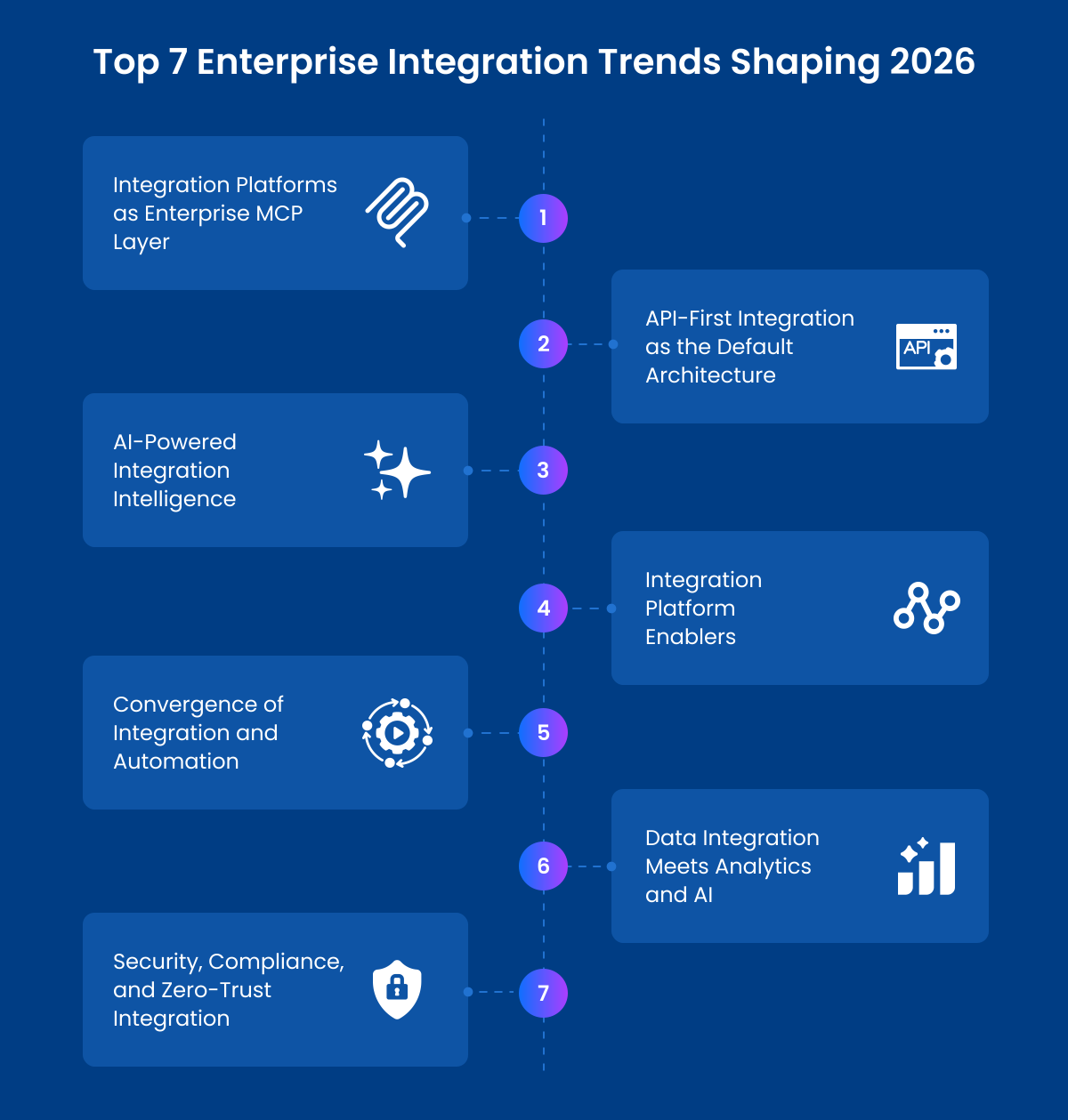
Top Modernization Trends for 2026
In modernized applications, big information tools and innovations drive innovation and assistance data-driven decision-making. Enterprises that utilize huge information efficiently can unlock new chances for development and efficiency.
Incorporating IoT into up-to-date systems provides difficulties, such as handling the intricacy of data streams and ensuring security across connected gadgets. Embracing a cloud-first method for software application advancement likewise provides challenges, including data migration, security concerns, and handling cloud expenses.
A mobile-first design method focuses on producing applications that offer a smooth user experience on smartphones and tablets. It is progressively vital to support a mobile workforce and engage consumers on their chosen gadgets. By understanding and accepting these patterns, business can much better position themselves for future success, making sure that their applications remain pertinent and reliable in an ever-evolving digital landscape.
Leveraging the Full AI and Cloud Transformation
Through its AI-driven architectural observability platform, vFunction automatically reverse-engineers monolithic applications, producing an in-depth map of the architecture. This process assists you understand the complexity of your tradition systems, identifying the interdependencies and possible traffic jams that could hinder modernization efforts. This comprehensive overview is vital for making notified decisions on where to focus modernization efforts for optimal impact.
The tool's capability to create actionable insights with lined up jobs and prioritize them by organization initiatives permits enterprises to take on the most important parts for app modernization tasks first, guaranteeing that the improvement lines up with the organization's strategic priorities. By leveraging vFunction, organizations can accomplish a smoother transition, minimizing downtime and preventing the typical risks associated with complicated tradition application modernization jobs.
Business application modernization is; it's an ongoing strategic necessity in today's fast-evolving digital landscape. By constantly modernizing legacy systems, business can open new levels of agility, enhanced security, and effectiveness. This digital change likewise allows organizations to much better satisfy consumer needs, adapt to market modifications, and profit from emerging innovations such as AI and cloud computing.
To check out how vFunction can help you with pragmatically performing your modernization method, call our group today. Perform your modernization method with vFunction.
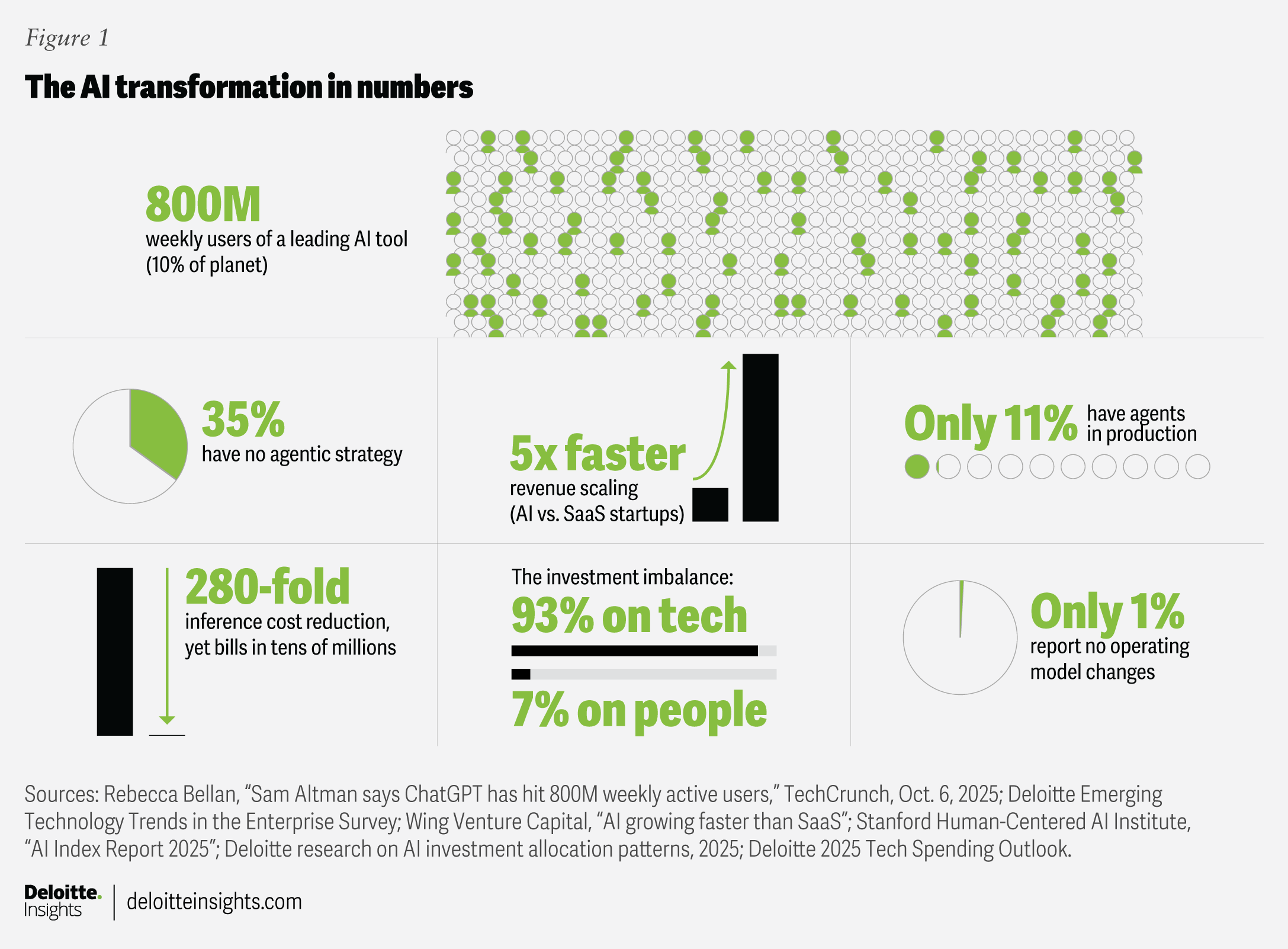
Countless organizations are preparing to modernize their IT in 2025. To respond to these questions, TierPoint surveyed 400 IT leaders to discover modernization patterns affecting essential decision-making.
Maximizing the Full AI and Cloud Convergence
Download the eBook to discover 5 IT modernization patterns that can assist you direct your digital change. The Top Modernization Top Priority for Organizations The Modernization Efforts increasing The Greatest Modernization Challenge for Companies.
Technology portfolio modernization and justification is the primary DX obstacle for CIOs today. IT organizations need to produce an IT modernization and justification plan that lines up with their overall DX method. Based upon IDC's research, 83% of enterprises are rationalizing their innovation infrastructure; nevertheless, just 35% report that their technique to justification works.
Key is establishing a balance in between legacy and contemporary methods in a continuous improvement procedure for IT, considered that few companies can remove all existing systems and begin fresh. Peer recommendations and factors to consider for functions and procedures, operation strategies, data services, system construct paradigms and infrastructure innovations are included.
AI-Driven and Traditional Architectures Compared
IDC thinks that from a useful and business point of view, modernization and justification allow IT to provide innovative digital improvement products and competitive IT services at optimum expense. To better attain financial and business benefits, CIOs require to focus on modernization, not simply justification. To undergo the modernization of your infrastructure for the digital business, the company requires to take the following steps: Develop the metrics that measure the effectiveness of your infrastructure modernization program Develop a constant procedure for IT infrastructure modernization Update IT infrastructure utilizing newer "develop and release" paradigms Transform skill and processes to decrease danger and accelerate the development and implementation of business applications Change IT governance and operations.

Latest Posts
Next-Gen Cloud Solutions for Scalable Innovation

Optimizing ROI Via Cloud-First AI Workflows

Is Your Company Ready for 2026?