All Categories
Featured
Table of Contents
: might focus on patient access and remote monitoring. A digital change strategy isn't a checklist it's a vibrant method that connects where your business is today with where it requires to go.
Australian Enterprises Need a New AI Infrastructure PlaybookDigital change strategies are increasingly shaped by the larger shifts occurring around us. There's still high demand for remote work, digital cooperation, and smooth online experiences, whether it's virtual health care, digital banking, or on-demand services.
Services have had to reconsider their operations and offerings to fulfill this new truth: strategies should show that shift.
The most effective transformation techniques now treat AI and post-pandemic habits not as momentary trends, however as long-term chauffeurs of innovation. Start by focusing on organization impact, not technology for innovation's sake.
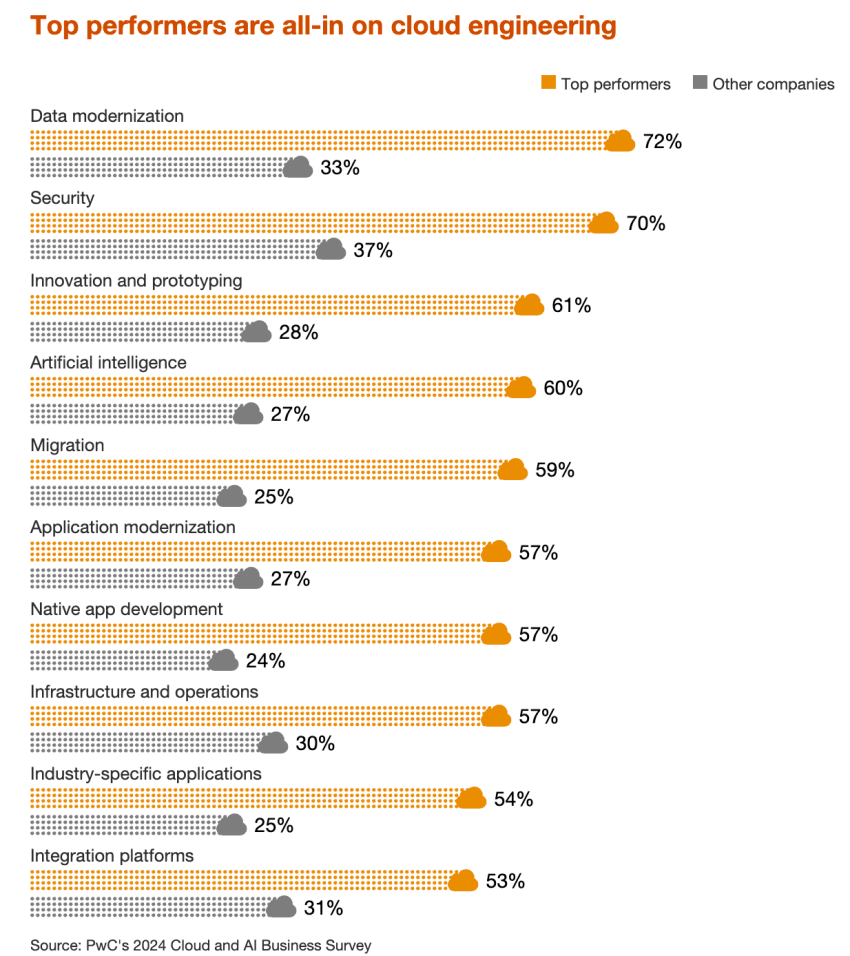
How AI and Cloud Convergence Is Critical
But do not ignore people: assistance, training, and buy-in are what eventually turn strategies into progress. Digital change occurs across every market, from retail and logistics to health care and government. To see this in action, let's check out 2 really various examples. When an eCommerce store, Amazon has actually ended up being a tech giant covering retail, cloud computing, streaming, and wise home technology.
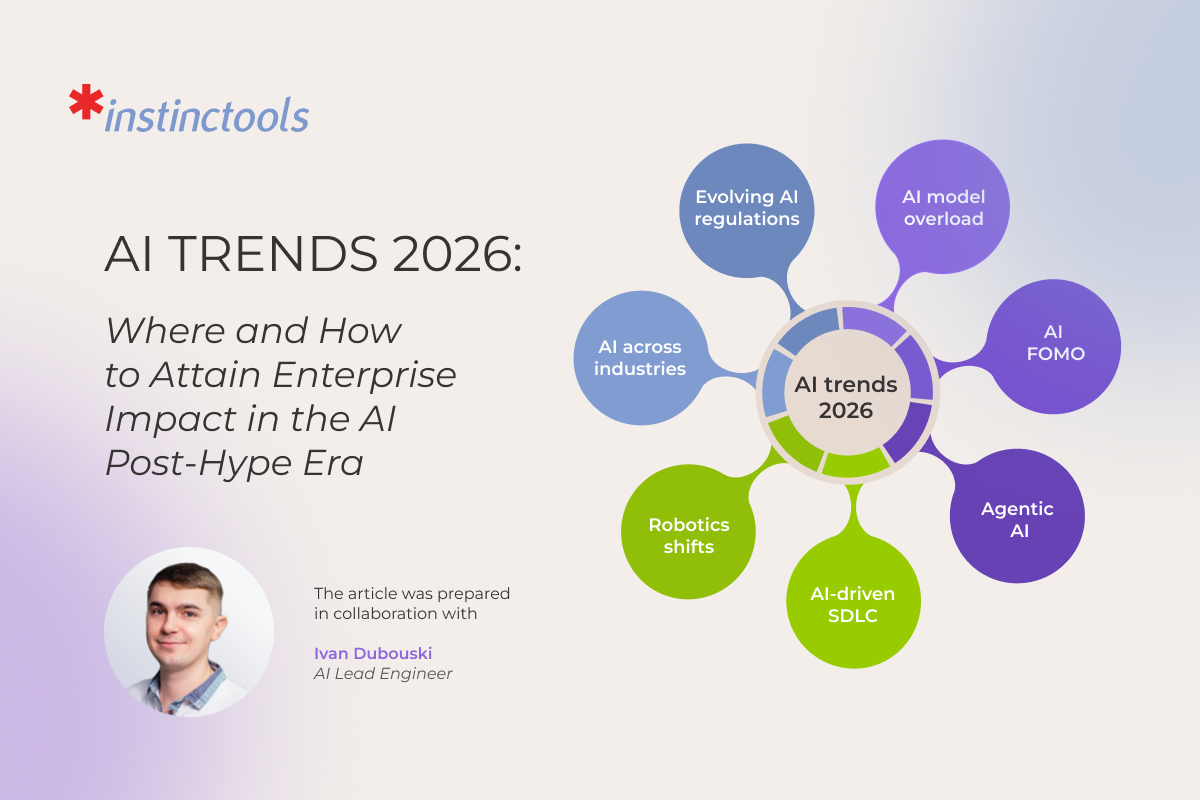
Released in 2005, Amazon Prime reset customer expectations for online shopping, making quickly, trusted, affordable delivery the new requirement. Behind the scenes, Amazon has actually reinvented satisfaction with automation and AI, releasing its one-millionth warehouse robotic in 2025. These robots handle tasks like finding, retrieving, and transferring inventory, increasing effectiveness and enabling over 700,000 workers to move into higher-value functions.
Utilizes robotic arms, cams, and sensing units to efficiently fill shipment vehicles. An AI-powered system that enhances delivery routes and powers real-time client tracking. Digital improvement isn't limited to private business. The UK's National Health Service (NHS) has made considerable strides in updating client care. Historically, scheduling a GP appointment involved calling during a brief early morning window a procedure that was infamously outdated and frustrated many clients.
Video consultations became standard, decreasing the requirement for in-person sees while enhancing convenience for clients. A number of hospitals released "virtual wards," where patients with chronic or less acute conditions might be from another location kept track of via wearable gadgets that track crucial signs. This enabled them to remain in the house freeing up hospital beds for more urgent cases and helping personnel focus resources better.
Transformative Cloud Platforms for Scalable Innovation
Technologies progress. Client and worker expectations shift. And services that stand still run the risk of becoming outdated. Whether you're enhancing operations, enhancing customer experiences, or updating your infrastructure, the goal remains the same: to adapt, improve, and remain pertinent. By staying on top of industry patterns and the innovations improving them, you can develop an organization that not only maintains but also leads the way.
Techniques vary by goal however normally consist of improving operational performance, improving customer experience, making it possible for the workforce, and enhancing cybersecurity. Common risks consist of uncertain objectives, lack of executive support, employee resistance, integration issues, and ignoring the required financial investment. Industries like health care, finance, retail, and logistics have actually been specifically transformed, utilizing digital tools to modernize services, boost agility, and fulfill progressing consumer demands.
Digital change is no longer optionalit has become a requirement for companies intending to stay competitive in 2026. Organizations across markets are investing in modern-day technologies to enhance efficiency, enhance customer experience, and drive innovation. Among the essential motorists of digital improvement is the need for dexterity. Services must quickly adapt to changing market demands, and digital tools enable them to do so successfully.
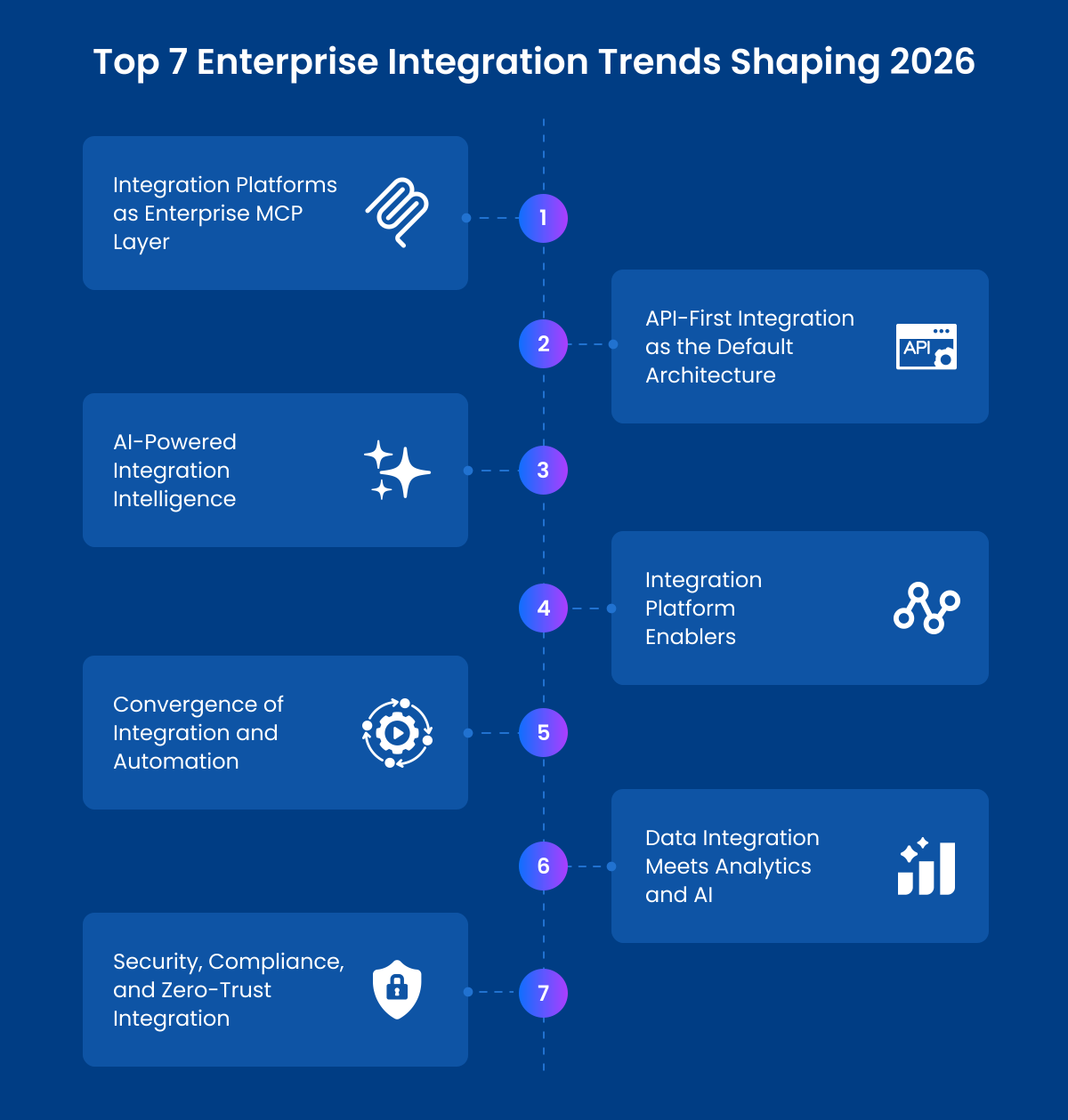
Another major aspect is client expectations. Today's customers require smooth, personalized, and quick experiences. Business that stop working to meet these expectations run the risk of losing market share. Digital transformation helps services deliver improved client journeys through advanced analytics, mobile applications, and incorporated platforms. Expense performance is likewise a considerable advantage. By automating recurring tasks and enhancing workflows, organizations can reduce operational costs and enhance performance.
At ShiftCode Analytics Inc., we help companies browse their digital change journey by offering scalable IT options, cloud services, and expert consulting. Our approach ensures that companies not only embrace new innovations however likewise maximize their worth. In summary, digital transformation empowers companies to innovate, grow, and stay ahead in a competitive environment.

Latest Posts
Next-Gen Cloud Solutions for Scalable Innovation
Optimizing ROI Via Cloud-First AI Workflows
Is Your Company Ready for 2026?